Capturing Beauty: The Art of Cinematography in Feature Films and Documentaries
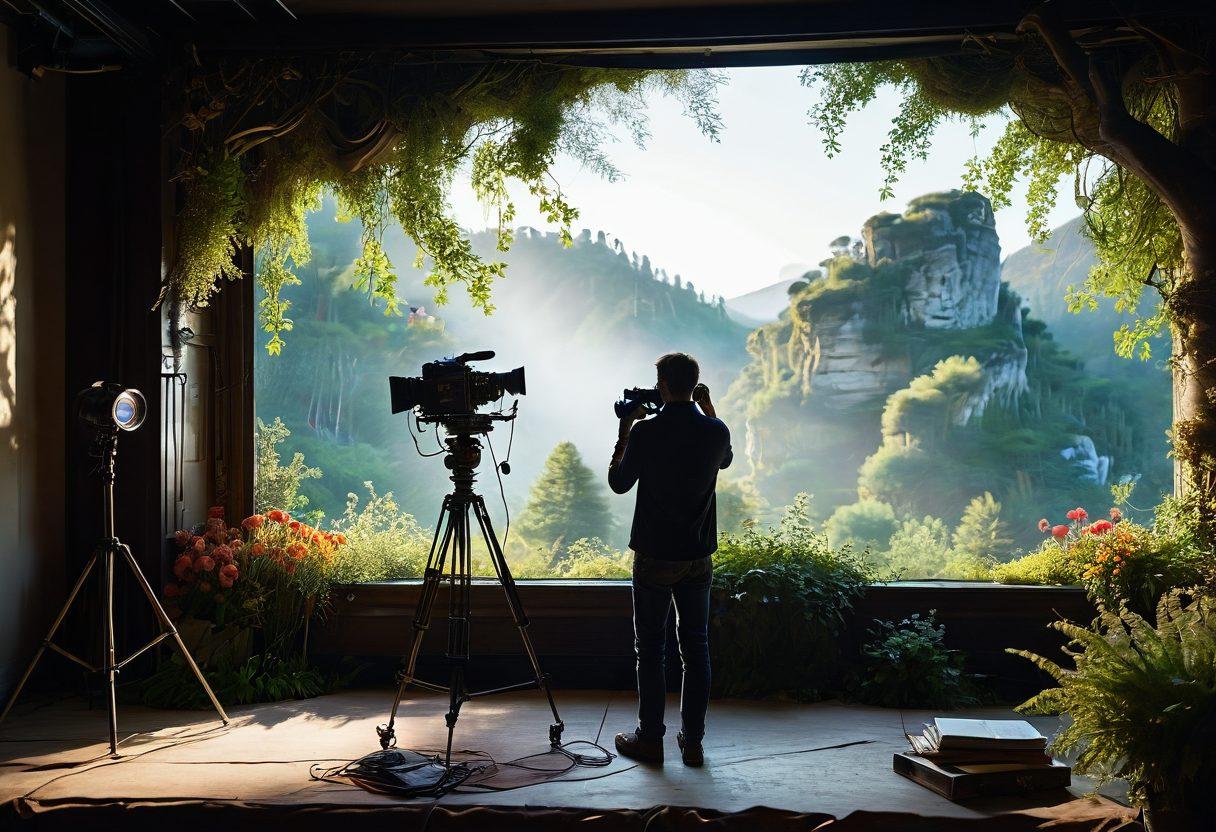
In the realm of film, where narrative is king and emotion reigns supreme, the role of the cinematographer often goes unnoticed, yet it is crucial for the storytelling process. Imagine a beautifully lit scene, a close-up of an actor’s emotional moment, or a sweeping landscape that immerses you into another world. This is the cinematic palette that cinematographers paint with—crafted meticulously to evoke feelings, set moods, and engage viewers. As filmmakers, these visual artists understand the power of each frame, for they are not just capturing motion; they are crafting a visual story that dances between beauty and meaning.
Cinematography is, at its heart, a bridge between visual art and storytelling. It serves as the artistic direction for both feature films and documentaries. A great cinematographer knows how to translate the script into stunning visuals that resonate with audiences. “A film is like a battleground,” famously said the filmmaker Samuel Fuller, and within this battleground, the cinematographer is both warrior and strategist. Whether in the fast-paced action of a motion picture or the contemplative scenes of a documentary, each shot requires intricate planning, thoughtful composition, and a deep understanding of light and shadow.
What inspires the creative eye of a cinematographer? Often, it's an amalgamation of photography, cinematic technique, and an acute awareness of the narrative. Equipped with an artistic toolkit, they manipulate elements like exposure, lens choice, framing, and color grading during the video production process to create a specific aesthetic. The results are visually striking sequences that can take your breath away or transport you into the mind of a character. Have you ever paused during a film just to admire how a particular shot captures a moment? That’s the power of thoughtful cinematography at work, making the ordinary seem extraordinary.
In today's film industry, the influence of technology cannot be ignored. With advancements in video editing and post-production techniques, cinematographers can enhance their initial captures, bringing their vision to life in a way that was previously unimaginable. From using drones that provide breathtaking aerial shots to employing high-speed cameras that reveal the world at a flicker, the possibilities have expanded. This dynamic evolution leads us to ask: how do these innovations change the way we perceive a story? Would a narrative feel the same when shown through a lens finely tuned by the latest technology?
At its core, the beauty of cinematography lies in its ability to create connections—between the audience and the film, between the image and the story. As viewers, we absorb these frames not just through sight but through emotion. That’s what makes a film memorable, whether it’s a feature film designed for grandiose entertainment or a documentary that seeks to inform and educate. As you continue your journey into the world of media production, remember to appreciate the artistry behind every frame. Can you think back to a pivotal scene in your favorite film that left a lasting impression? That’s a testament to the skill of the cinematographer, who conjured beauty and meaning in every frame for your viewing pleasure.
From Script to Screen: The Role of Visual Arts in Storytelling and Film Making
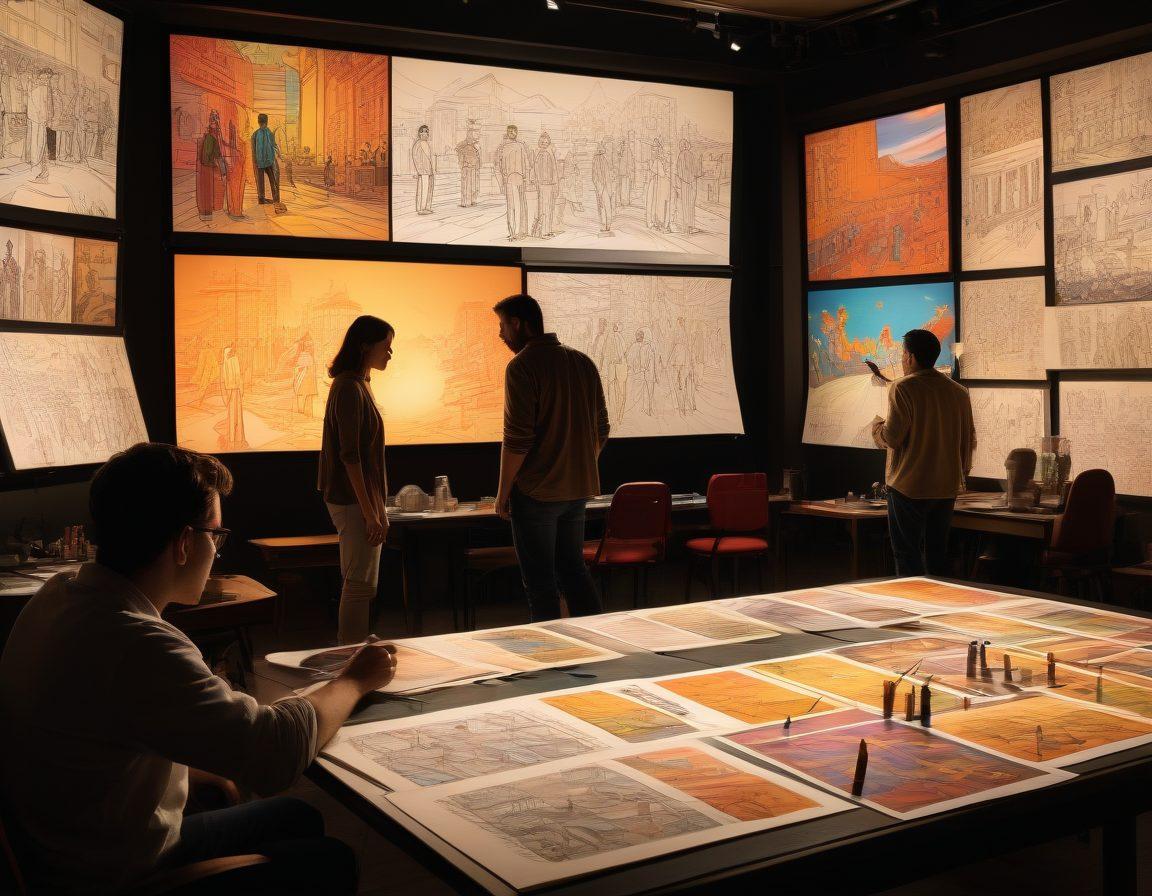
Imagine a world where every frame tells a story, where light and shadow dance together to create emotions that linger long after the credits roll. This is the beautiful realm of cinematography—an essential element in both feature films and documentaries. As we delve into 'From Script to Screen: The Role of Visual Arts in Storytelling and Film Making,' we unveil the intricate journey of a script transforming into a motion picture. How does a cinematographer harness the power of visual arts to breathe life into written words?
To put it simply, a cinematographer is the visionary responsible for translating the narrative into a visual feast. They are the artists who manipulate light, camera angles, and color palettes to create a cinematic experience that captivates audiences. Think about it: in a feature film, every frame can evoke a different feeling or resonate with a particular theme. The aesthetic choices made by the cinematographer are fundamental in enhancing the storytelling, guiding viewers through the rollercoaster of emotions.
Incorporating beautiful imagery into documentaries requires a keen understanding of reality, yet it demands the same level of artistic direction seen in fictional films. The goal in both genres is to engage the viewer, but the techniques differ. While a feature film may employ scripted moments designed for maximum impact, a documentary might rely on candid photography that captures the raw essence of its subject. This begs the question: how do visual elements shape our perception of truth? Art can elevate reality, lend depth to stories, and leave lasting impressions that transcend mere facts.
As the plot unfolds from post-production to video editing, the role of cinematography remains critical. During this phase, the editors collaborate closely with the cinematographer to weave together footage captured during video production. The synergy between film editing and cinematography allows for a cohesive vision—one that aligns emotional beats and visual storytelling in perfect harmony. This is where magic happens; the screenwriting comes alive through meticulous cuts, enhancing the narrative arc and ensuring that audiences are hooked until the very last moment.
At its core, the film industry thrives on the collaboration between different artistic talents. The effective union of cinematography, storytelling, and editing creates masterpieces that resonate with audiences around the world. Whether it’s through the grand scale of a feature film or the compelling truths revealed in documentaries, each cinematic journey is a testament to the passionate pursuit of artistry. So next time you settle in for a captivating film or a thought-provoking documentary, take a moment to appreciate the unseen hands at work—those of the cinematographer and the entire media production team that make it all possible.
Behind the Lens: Unveiling the Artistic Direction in Feature Films and Documentaries
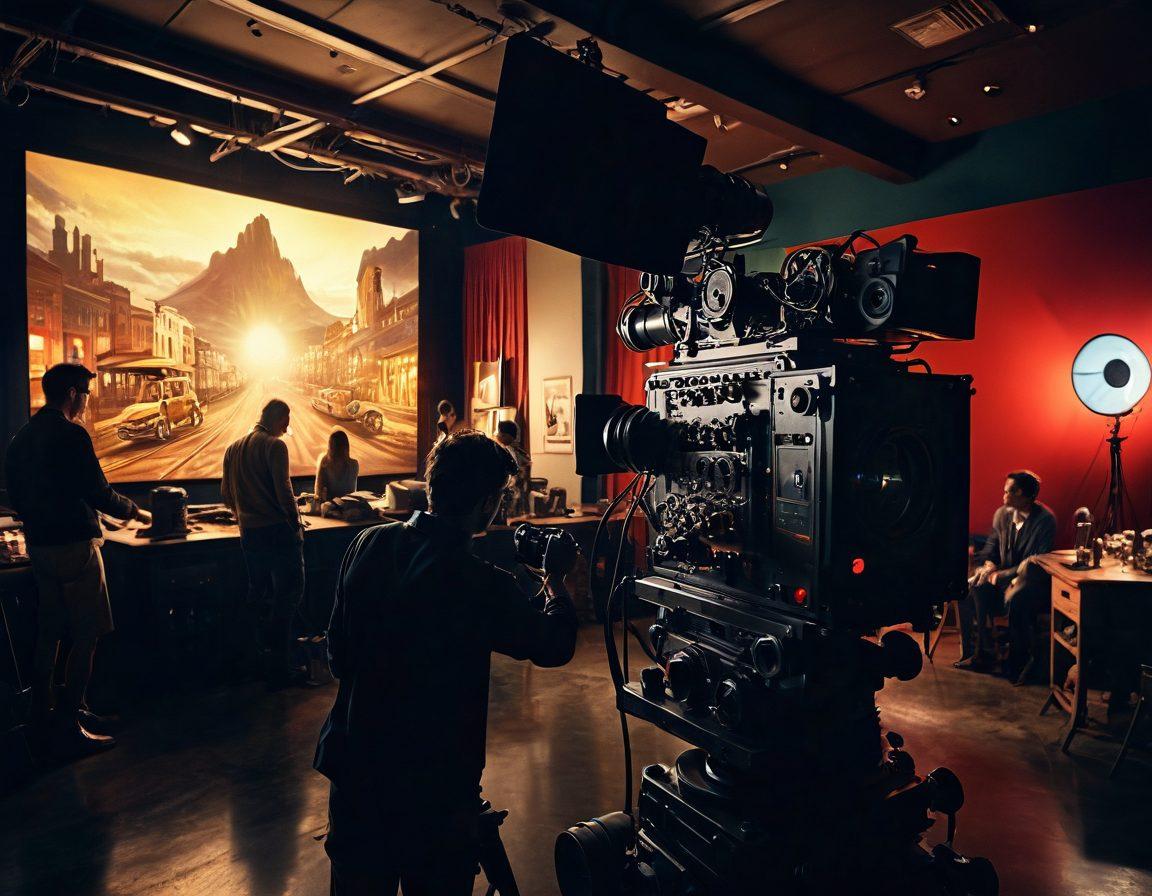
Step behind the lens and into the captivating world of cinematography, where every frame tells a story and the artistry of visual storytelling comes to life. The role of a cinematographer extends far beyond simply pointing a camera; it involves crafting a beautiful tapestry of images that resonate with audiences. Whether it’s a grand feature film or an evocative documentary, the artistic direction of a cinematographer shapes the very essence of any motion picture, pushing the boundaries of the medium into uncharted territory.
Imagine this: a breathtaking landscape, the sun setting behind rugged mountains, casting a golden hue over a serene lake. This isn't just a beautiful scene; it's a meticulously crafted moment in video production, populated with artistic choices that reflect the cinematographer's vision. In feature films and documentaries alike, capturing such visuals requires an intricate amalgamation of techniques and an unwavering commitment to the art of cinematography. Through storytelling that resonates emotionally, filmmakers transform ordinary scenes into cinematic masterpieces that linger in the hearts of viewers.
But what makes a cinematographer’s work truly spectacular? It's not always about the equipment or the latest technology. Often, it's about perspective—a way of seeing the world that infuses every frame with meaning. Think of some of the most memorable films you’ve watched. Can you recall specific shots that took your breath away? Those moments are crafted with purpose, leaning heavily on the aesthetic choices of the cinematographer. The use of lighting, color grading, and camera angles all play significant roles in the film editing process, allowing the audience to engage deeply with the narrative.
Artistic direction in feature films and documentaries is a choreography of creativity and technical skill. The art of film making isn’t just about the written words of screenwriters; it’s a synthesis of visual arts and storytelling that unearths the soul of each project. How does a scene evolve from a script to a beautiful piece of visual storytelling? It’s through collaborative efforts in media production, where cinematographers work hand-in-hand with directors, editors, and the entire crew to shape the viewer's experience. In every shot, they imbue the film with their unique touch, guiding the audience as they embark on an emotional journey.
As we revel in the world of video editing and post-production, we discover the impact of a well-executed artistic vision that builds bridges between the story and its audience. It is in the delicate balance of light and shadow, the timing of each cut, and the rhythm of the narrative that cinematographers wield their influence. The film industry thrives on this collaboration of minds and hands, producing content that not only entertains but also provokes thought, challenges perceptions, and inspires change. So, the next time you find yourself enraptured by a film, take a moment to appreciate the hard work behind the curtain—because it's the artistic direction behind the lens that truly brings a motion picture to life.